
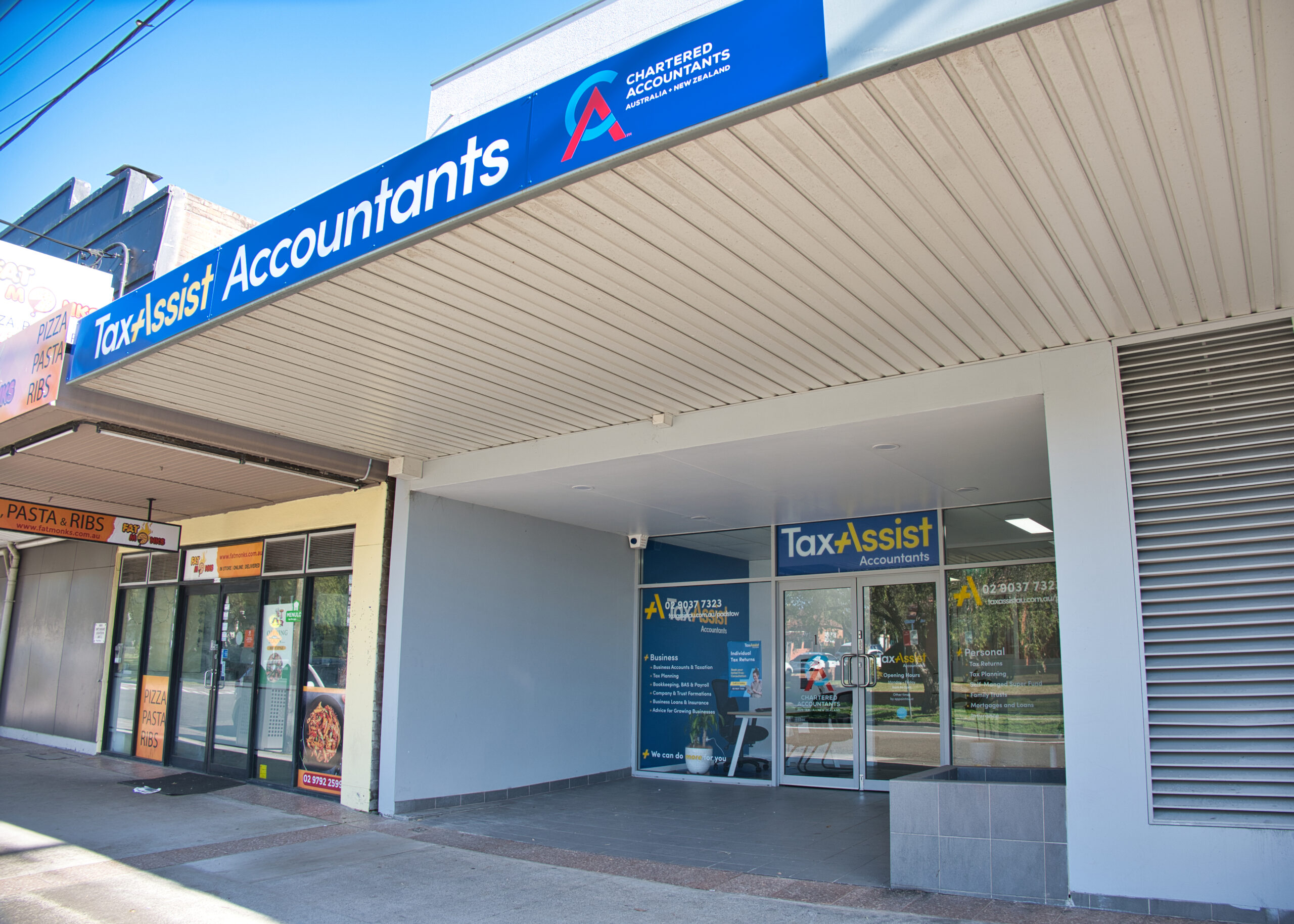
But for accountants, uncertain periods can actually be the best possible time to step into business ownership—especially with the right model and support behind you.
With small business conditions evolving, rising demand for advisory services, and improved access to finance, 2026 presents a unique window of opportunity for accountants to launch (or relaunch) their own accounting practice.
Here’s why.
Small Business Demand for Accounting Support Is Growing
Australia’s small business sector continues to face rising costs, regulatory complexity, and economic pressure. According to the 2025 RBA Small Business Conditions report, small businesses remain profitable but are navigating tighter margins, more compliance obligations, and greater need for external support. Many are turning to accountants to help with cash flow planning, forecasting, debt restructuring, and digital transformation. [rba.gov.au]
Translation:
Uncertainty increases demand for accountants—not reduces it.
Businesses need advisers who can:
- help manage rising operating costs,
- monitor compliance changes,
- provide real time financial clarity, and
- build stronger financial controls.
When business owners struggle, accountants become indispensable.
Economic Conditions Are Improving—But Carefully
Despite uncertainty, the Australian economy is showing early signs of recovery. ANZ reports that GDP growth is expected to rise to 2.4% in 2026, supported by stronger income growth, an easing labour market, and tax cuts.
Even better for new practice owners:
- Rate cuts from the RBA are still flowing through the economy
- Consumer spending is lifting
- Income growth is boosting small business activity
These are positive fundamentals for launching a service-based business with recurring revenue—like accounting.
Access to Small Business Finance Has Improved
The RBA’s 2025 Small Business Finance Advisory Panel revealed that credit has become cheaper, with variable lending rates for SMEs dropping more than the cash rate. Lenders have also improved access to unsecured and non asset backed finance thanks to increased competition in the market.
For new accounting business owners, this means:
- lower startup financing costs
- more flexible loan options
- easier pathways to secure initial working capital
Launching a practice has never been more financially accessible.
Compliance and Regulatory Change Is Driving Clients Toward Professional Advice
Compliance demands on businesses keep increasing. In 2026, SMEs face more regulatory change, including superannuation updates, industrial relations reforms, privacy reforms, and ATO reporting updates. Many SMEs already say regulation is one of their top concerns heading into 2026. [cosca.com.au]
And ASIC’s latest 2026 outlook highlights increased scrutiny on:
- financial reporting
- sustainability reporting
- audit quality
- emerging technology risks
—areas where accountants play a critical role.
When rules get more complicated, clients need accountants more than ever.
Rising Costs Are Pushing Businesses Toward Outsourcing Instead of Hiring
SMEs expect rising energy, labour, and insurance costs to continue into 2026. Nearly 80% of SMEs anticipate rising operating expenses to significantly affect their performance. [cosca.com.au]
Instead of hiring internal finance staff, many small businesses are:
- outsourcing bookkeeping
- outsourcing payroll
- seeking full-service accounting partners
- engaging accountants for strategic guidance
This creates a wider, more lucrative market for independent practice owners.
AI and Automation Are Creating New Opportunities—Not Fewer
Contrary to fear-based headlines, AI is making accounting firms more productive, not obsolete. According to the ANZ Business Opportunities report, AI is unlocking significant gains in data quality, marketing efficiency, productivity, and customer engagement for businesses using it. [anz.com.au]
For accountants starting fresh, this is a huge advantage:
- you begin with modern systems, not legacy processes
- you can design a tech-enabled workflow from day one
- AI allows you to focus on higher value advisory
The firms that start now will be the most future proof.
A Franchise Model Removes 80% of the Risk
Starting solo can feel daunting in an uncertain economy. But models like TaxAssist Accountants reduce risk dramatically by providing:
- brand recognition that already carries trust
- technical tax support as clients become more complex
- help staying ahead of evolving TPB compliance
- a proven marketing and lead generation engine
- buying power on technology and tools
- access to complementary revenue streams (e.g., mortgages, lending, insurance)
As some franchisees earn up to 30% additional revenue from these partner services, the model offers both stability and growth potential.
When uncertainty rises, support matters more.
Economic Uncertainty Favours Entrepreneurship
Periods of transition often see new businesses thrive. As SmartCompany notes, founders in 2026 are focusing heavily on
- efficiency,
- data privacy,
- strong cash flow discipline,
- ethical AI adoption, and
- deliberate strategy. [smartcompany.com.au]
These strengths align perfectly with what accountants bring to the table.
Where others hesitate, accountants can step in with:
- financial discipline
- risk management skills
- strong analytical capability
- strategic decision-making
This positions new accounting business owners for success—even when other sectors slow.
Economic uncertainty isn’t a reason to delay starting your own accounting business.
In fact, it’s one of the strongest arguments to start now.
The data shows clearly:
✔ Demand for accounting and advisory services is growing
✔ AI and technology are helping firms become more efficient
✔ Small business finance conditions are improving
✔ Regulatory complexity is driving clients to seek expert help
✔ Outsourcing is increasing as SMEs face cost pressure
✔ Supported models like TaxAssist lower the risk and accelerate growth
If you’re an accountant looking for more independence, flexibility, and the chance to build a valuable asset, 2026 may be the best time in a decade to make the leap.
If you’re interested in starting a new career as a Tax Agent, you can:
For more information on becoming a TaxAssist Accountants Franchisee or the Academy Program please contact –
Mandy Sigaloff, CEO
TaxAssist Accountants Australia
Tel: 02 7229 6930 • Email: [email protected]
